

Car protection guide
Car protection guide
Plain guides for anyone thinking about protecting their car: film versus nano and graphene, the types of heat film, care after installation, and how to tell a genuine film. Every figure comes from current EGY X prices and warranties.
Comparisons
 Comparisons
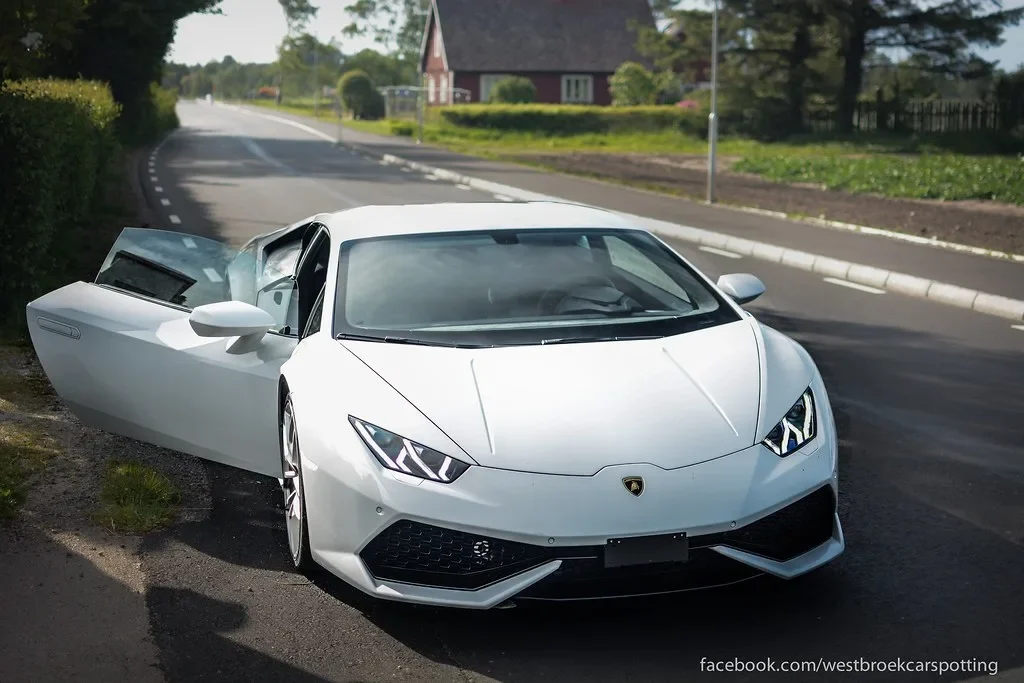
Nano ceramic, honestly: what does it do, what does it not do, and how long does it last?
Nano ceramic is not a scam and not a shield. It adds gloss and makes washing easier. It does not stop stone chips and it does not remove a scratch that is already there. The pros and cons of nano ceramic without exaggeration, and when it is enough for you and when it is not.
 Comparisons
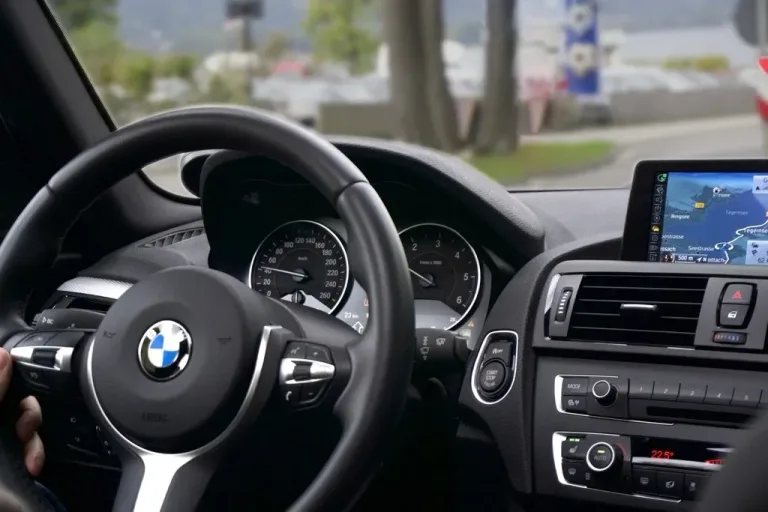
Nano ceramic for glass or heat insulation film? The difference that confuses people
The name "nano ceramic" covers two different things: a liquid coating that repels water, and a film fitted on the glass that cuts heat. Know which one you are asking about before you pay.
 Comparisons
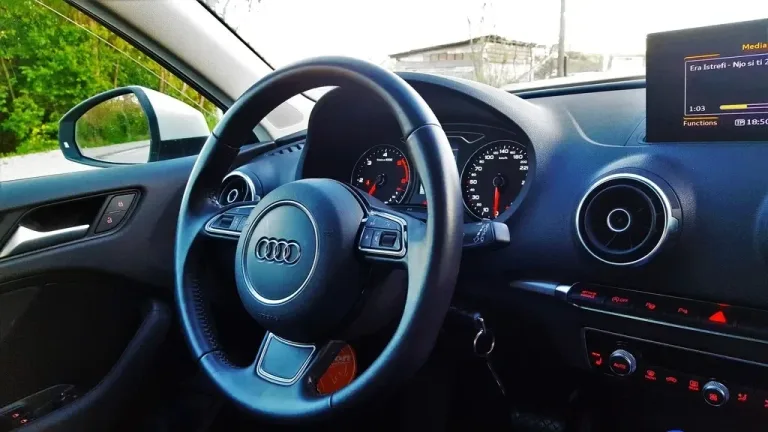
Types of heat insulation film for car windows, and the difference between heat film and tinting
Why the car heats up, what heat film actually does, what the types are, and why darkness is not insulation. The guide to read before you choose a heat insulation film.
 Comparisons
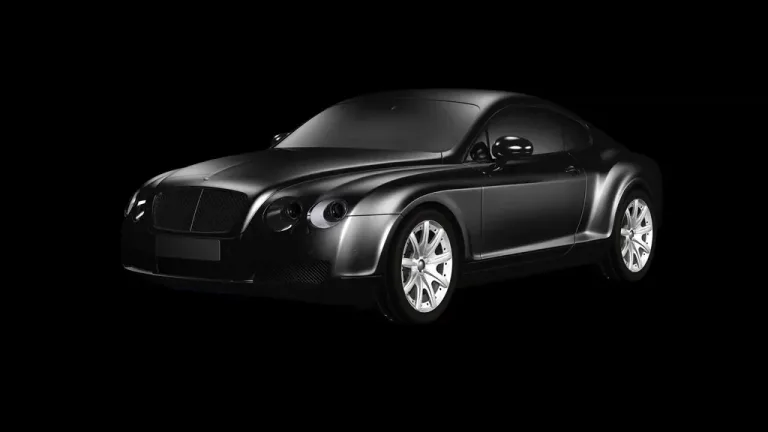
Matte PPF: turn your car matte without a respray
Matte paint protection film does two things at once: it turns gloss paint into a matte look, and it protects it from stone chips and scratches. The price, how it differs from gloss, the brands and warranty, and aftercare.
 Comparisons
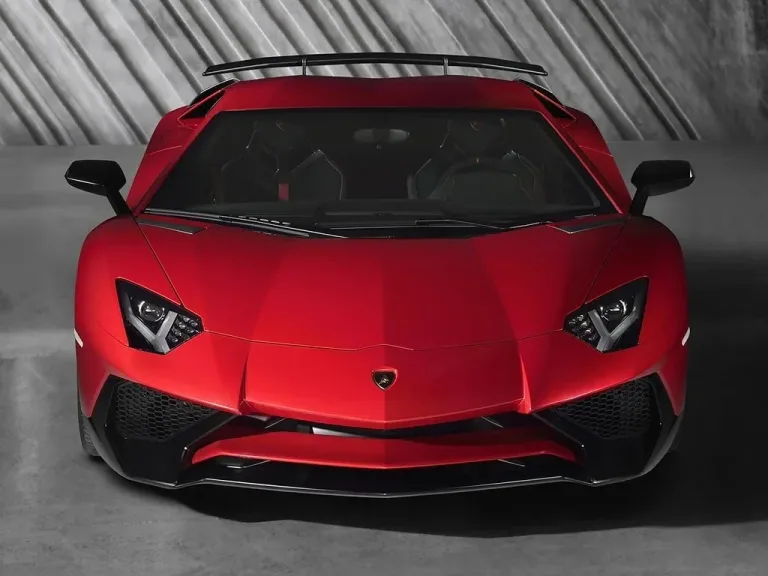
The difference between nano ceramic and graphene: which suits your car better?
Both are coatings that add gloss, repel water and make washing easier. The difference we can vouch for is the warranty and the price: 3 years for nano ceramic and 5 years for graphene. Plus when to choose each one.
 Comparisons
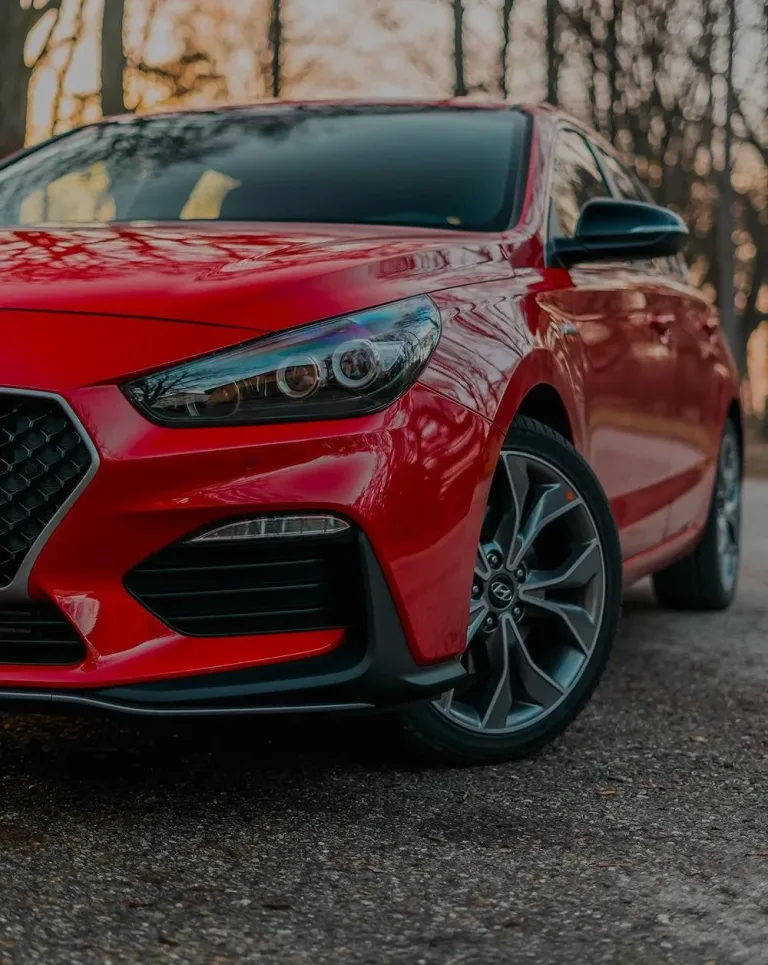
Paint protection film (PPF) vs nano ceramic: which suits your car?
Paint protection film stops stone chips and scratches, and nano ceramic adds gloss and makes washing easier. The difference between them by warranty and price, and when to choose one of them and when to have both together.